
Omi Review: An AI Memory Ecosystem, Not Just a Wearable Recorder
Short Verdict
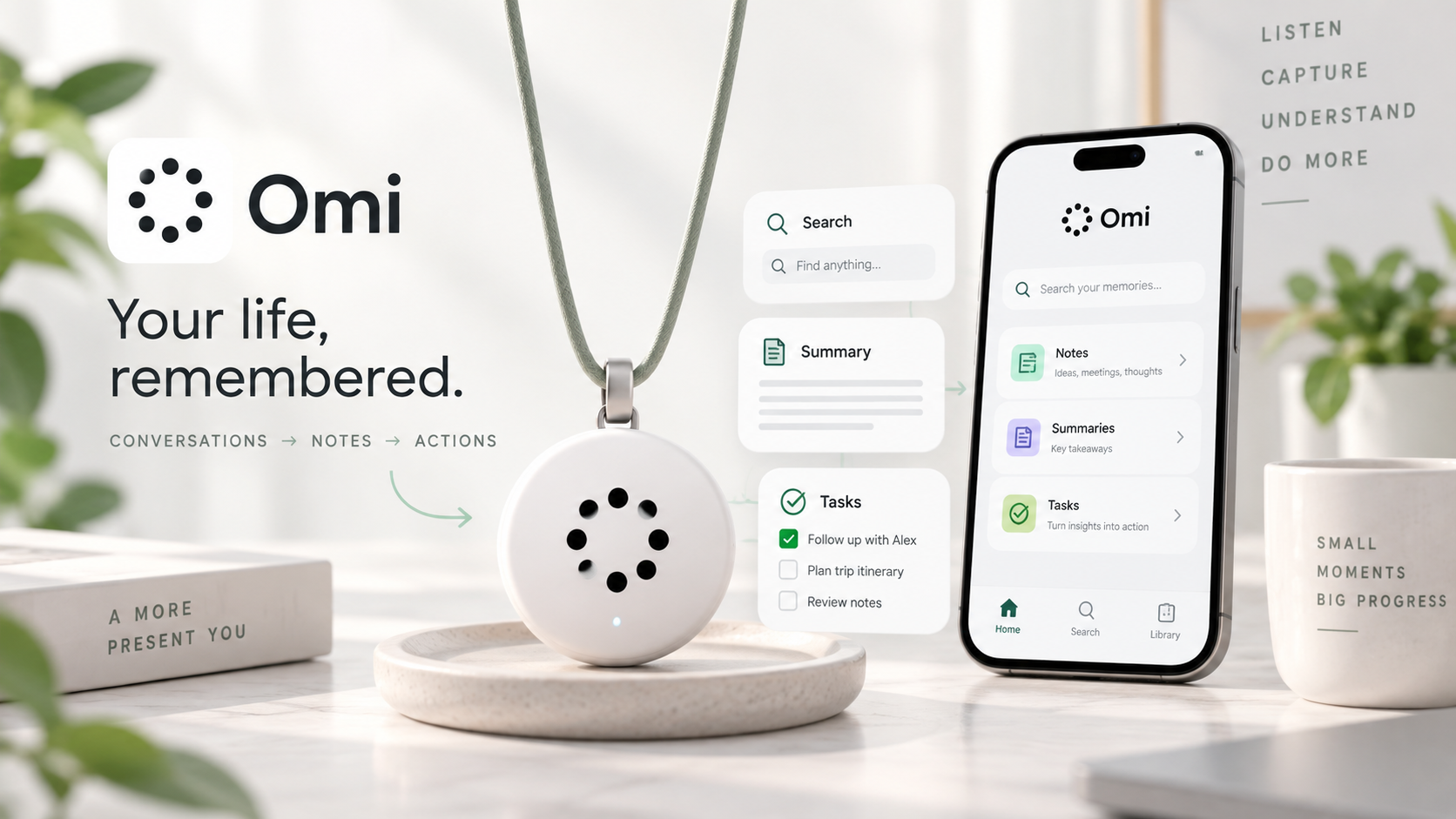
Omi is easiest to understand as an AI memory system built around conversations, not simply as a wearable voice recorder. The pendant captures what you hear and say, while the Omi software turns those conversations into transcripts, summaries, searchable memories and tasks. The same memory layer can also be accessed from a phone, Mac and the web.
Its strongest appeal is for people who spend much of the day in meetings, calls, classes or idea-heavy conversations and want less manual note-taking. The trade-off is equally important: Omi is designed to capture real-world speech, so privacy, consent, transcription accuracy and data-handling preferences deserve as much attention as the hardware itself.

What Is Omi?
Omi is a personal AI platform centered on remembering conversations and turning them into usable information.
According to Omi's own documentation, the system can capture conversations, transcribe them, generate summaries and key points, extract tasks and save relevant information as searchable memories. Those memories can then provide context when you interact with Omi later.
That makes the product fundamentally different from a conventional digital recorder.
A recorder gives you audio.
Omi is trying to give you a structured memory layer built from that audio.
The wearable makes capture more convenient, but the software is arguably the more important part of the experience.
The Omi Ecosystem
One of the most useful ways to evaluate Omi is to separate the ecosystem into four layers:
1. The Omi Pendant
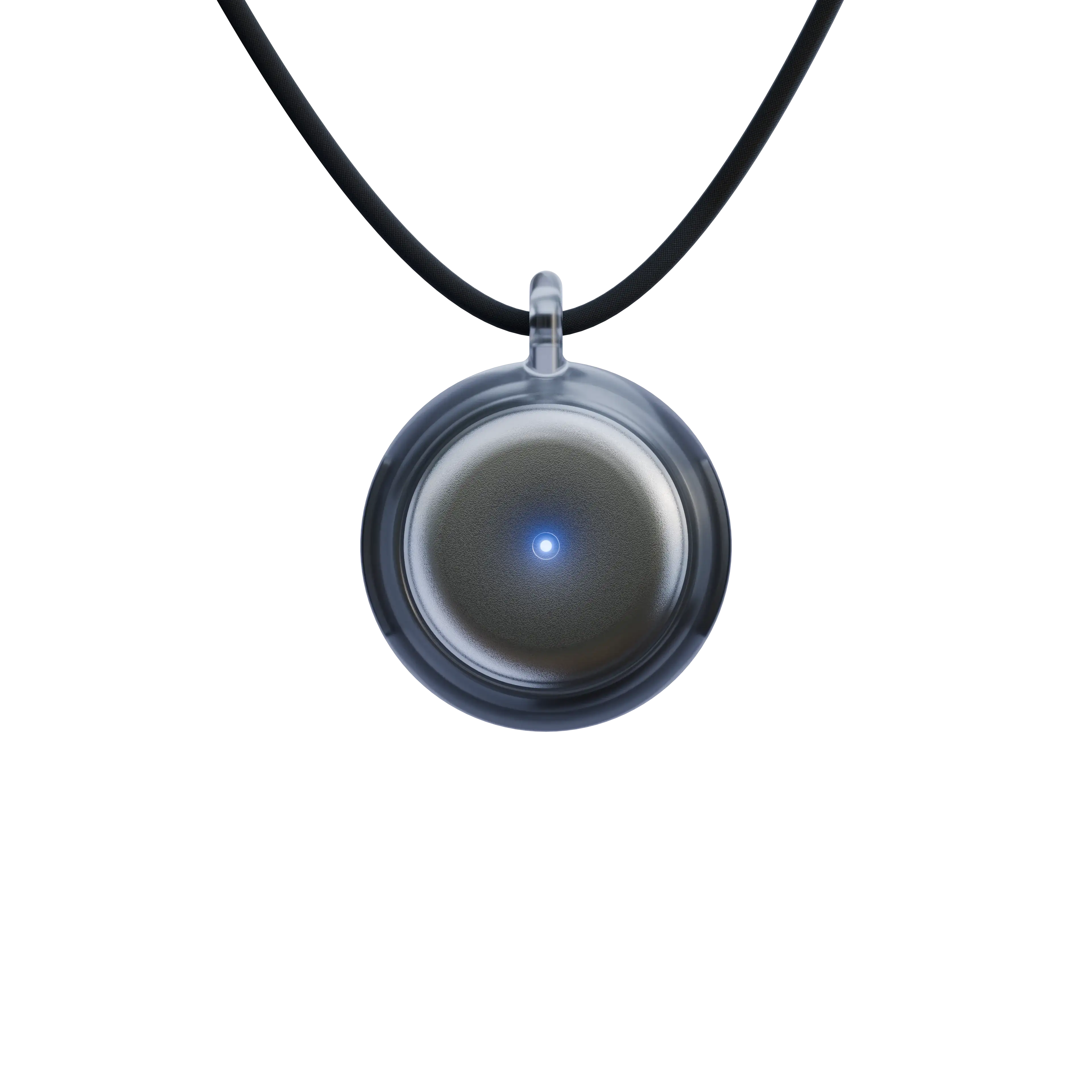
The main Omi wearable is a small necklace-style device designed for hands-free conversation capture.
The current official product page lists:
- Two microphones
- Bluetooth and Wi-Fi
- Offline recording with later synchronization
- Magnetic USB-C charging
- A claimed battery life of 10–14 hours
- iPhone and Android support
Omi states that the pendant can be worn around the neck or clipped on and paired with the mobile app.
The key advantage is persistence.
A phone recorder works only when you remember to open it. A wearable can remain available throughout the day with much less friction.
2. The Omi App
The app is where the captured information becomes useful.
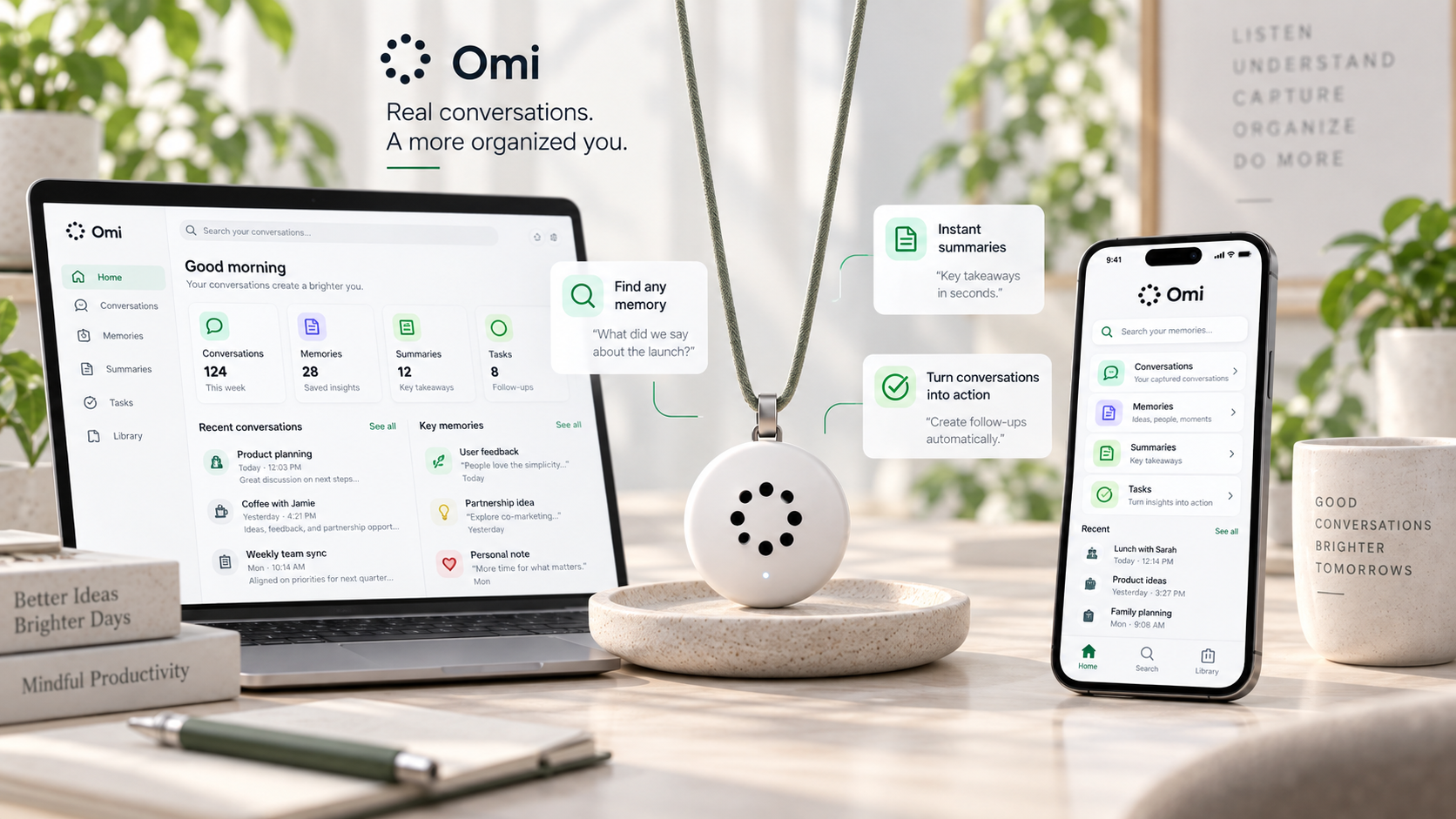
Omi's help center describes several core areas:
- Conversations for captured recordings and transcripts
- Tasks for action items extracted from conversations
- Memories for information saved for later retrieval
- Apps for integrations and additional functions
- AI chat for asking questions about stored information
The app is available across iOS and Android, while Omi also offers a Mac experience connected to the same memory system.
This is why evaluating Omi only on microphone hardware misses much of the point.
3. Memories
Memories are one of Omi's defining concepts.
Rather than forcing the user to manually reread every transcript, Omi can extract useful pieces of information from conversations and preserve them for later search or AI context.
The company's documentation says memories can include information about people, projects, preferences, places and other relevant conversation context. They are linked back to the underlying conversation so users can revisit where the information came from.
That turns Omi from an archive into something closer to a searchable personal knowledge base.
4. Tasks and Automation
Omi can also identify action items from conversations.
For example, a discussion containing a deadline, reminder or follow-up may produce a task automatically. Users can then edit those tasks or create additional ones manually.
Omi also promotes integrations with more than 1,000 apps, along with an API and MCP server for extending the system.
For productivity-focused users, this is one of the more important distinctions between Omi and a basic transcription service.
How Omi Works in Daily Use
The intended workflow is simple:
Wear the device → have conversations → let Omi process them → review summaries, memories and tasks later.
Omi states that the pendant can record offline and synchronize once connectivity returns. It also supports speech profiles intended to distinguish speakers.
That could be useful in situations such as:
- Work meetings
- Client conversations
- University classes
- Brainstorming sessions
- Interviews
- Personal idea capture
- Follow-up-heavy sales conversations
The value increases when information would otherwise be forgotten or manually transferred into notes and task lists.
Omi Without the Pendant
An important point is that the wearable is not strictly required to use Omi.
The company's help center says the Omi app can record directly from a phone or Mac and still provide transcription, summaries, memories, tasks and AI chat.
That makes the ecosystem easier to test.
Someone interested primarily in the software can begin there before deciding whether hands-free hardware is worth purchasing.
The pendant becomes more compelling when frequent manual recording starts to feel inconvenient.
What Stands Out About Omi?
Searchable Conversation Memory
The most distinctive feature is not transcription by itself.
Transcription services are widely available.
The more interesting idea is being able to ask questions about previous conversations and retrieve information from what Omi has stored. Omi markets this as a way to search summaries, memories and tasks rather than manually browsing hours of audio.
For someone managing many conversations, that can be more useful than simply having accurate transcripts.
Conversation-to-Task Workflow
Omi tries to reduce the gap between hearing something and acting on it.
If a conversation creates a follow-up, Omi can turn that information into a task instead of leaving it buried in a transcript.
This is particularly relevant for people whose work depends on remembering commitments, deadlines or next steps.
Cross-Device Memory
Omi's memory is designed to extend beyond the wearable.
The company says information captured with the pendant can remain available through the mobile app, Mac app and web experience.
That makes the pendant more like an input device for a broader personal knowledge system.
Open Ecosystem
Omi also emphasizes openness more than many wearable-AI products.
The current product page references:
- Open-source software
- API access
- MCP server support
- More than 1,000 apps and integrations
Omi also supports selected third-party wearable devices as audio sources for its software layer.
For technically inclined users, that flexibility may be one of the platform's biggest attractions.
Hardware and Battery
The current Omi pendant specification lists a compact device measuring approximately 2.5 × 1.5 cm, with two microphones and a claimed battery life of 10–14 hours per charge.
That quoted battery range is reasonably aligned with an all-day-use concept, although actual runtime can vary with usage conditions.
Charging is handled through a magnetic USB-C charger.
More importantly, Omi says the device can continue recording offline and synchronize later, reducing dependence on constant connectivity.
Transcription and Language Support
Omi currently advertises transcription in more than 25 languages, together with translation functionality.
However, users should avoid assuming that transcription quality will be identical in every environment.
Accuracy can be affected by:
- Background noise
- Speaker distance
- Accents
- Several people speaking at once
- Technical terminology
- Microphone placement
That matters because Omi's summaries, memories and tasks depend on the conversation it first captures and transcribes.
A polished summary cannot correct every mistake originating from unclear audio.
Privacy and Security
Privacy is one of the most important areas to consider with any continuously available conversational AI device.
Omi states that its service uses TLS for data in transit and AES-256 encryption for stored data. It also states that users can export or delete their data and that local operation is possible because the software is open source.
The company additionally lists SOC 2 and HIPAA compliance on its product page.
Those are meaningful product claims, but they do not remove the user's responsibility for how the device is used.
Omi itself notes that recording laws differ by location and advises users to inform people when legally required.
For real-world use, the privacy question is therefore broader than “Is the service encrypted?”
It also includes:
- Should this conversation be recorded?
- Does everyone involved know?
- Where will sensitive material be stored?
- Which integrations can access it?
- How long should it be retained?
Apps and Integrations
Omi includes an app marketplace where additional tools can operate on conversations and memories.
According to its help documentation, these apps can focus on functions such as productivity, daily recaps, coaching, exports and external integrations. Users can enable or disable individual apps.
This makes the ecosystem more extensible than a fixed-function recorder.
At the same time, users should pay attention to which third-party or marketplace apps they enable, particularly when those apps process personal conversation data.
Using Omi With Other Wearables
Interestingly, Omi's software is not limited to Omi hardware.
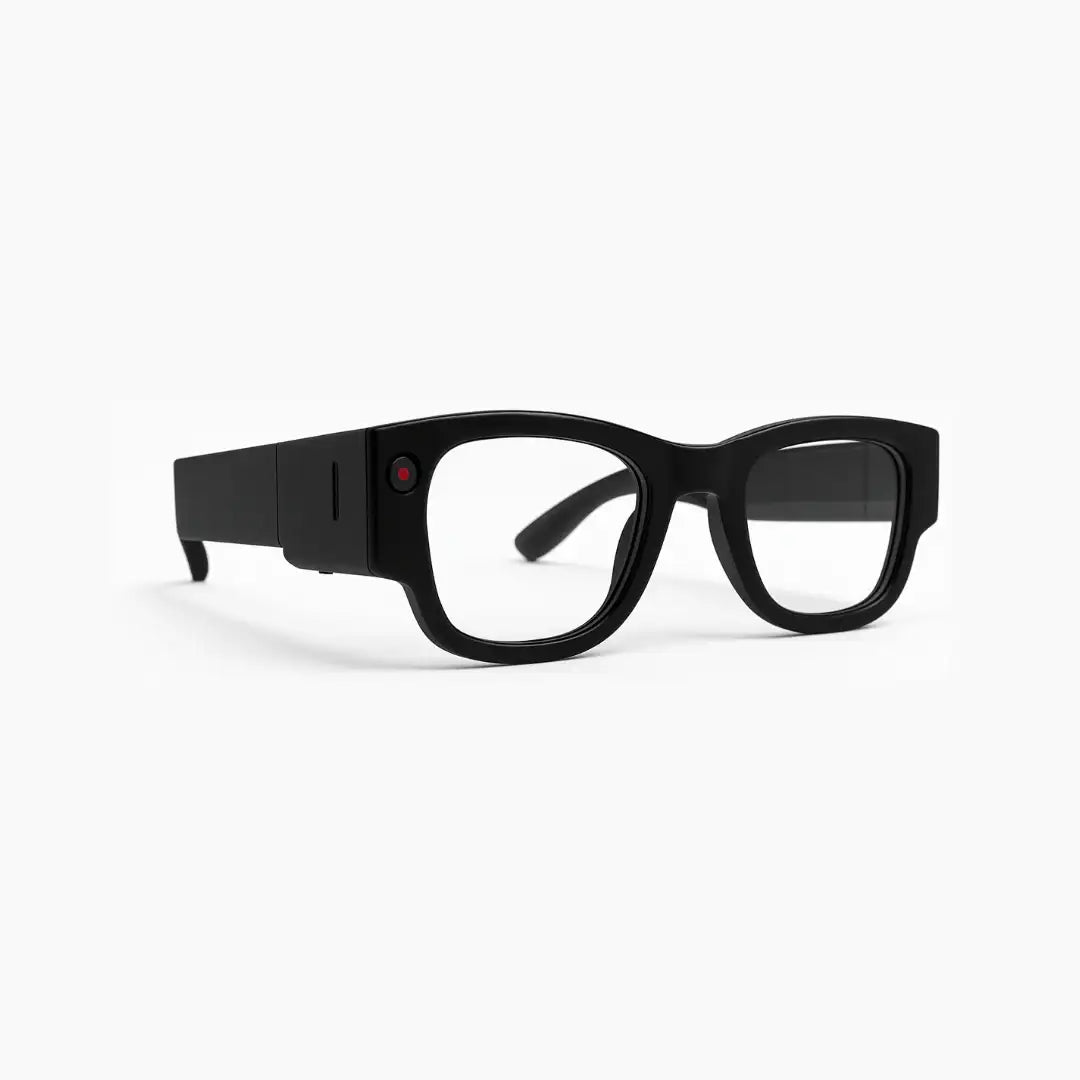
The company documents support for selected third-party devices such as Plaud, Limitless Pendant, Bee and Friend, although behavior and limitations vary by integration.
This reinforces the idea that Omi's long-term value proposition is the software memory layer rather than just the physical pendant.
Pricing and Subscription Structure
At the time of this review, Omi's official pendant page lists the wearable at $129, reduced from a stated regular price of $179. Because pricing and promotions can change, shoppers should confirm the current amount before purchase.
Omi says the hardware is a one-time purchase and that the app does not require a paid subscription for basic use.
The current free offering includes unlimited on-phone transcription and 300 cloud minutes per month, while optional paid plans add more cloud transcription capacity.
That distinction is important because “no subscription required” does not mean every cloud feature necessarily has unlimited usage.
Shipping, Returns and Warranty
Omi currently states that pendant orders ship worldwide from the United States and are generally processed within one to four business days. Shipping cost and delivery estimates are calculated at checkout.
Its current FAQ says customers seeking a standard return should contact the company within five days of delivery.
Damaged or defective items are covered for 15 days, and the pendant carries a one-year limited warranty.
That five-day standard return window is relatively short, so buyers should review the current policy before ordering.
Who Is Omi Best For?
Omi makes the most sense for people whose work or study involves large volumes of spoken information.
Potentially strong use cases include:
- Executives and managers
- Sales professionals
- Founders
- Consultants
- Students
- Researchers
- Journalists
- People attending frequent meetings
- Users who regularly forget verbal commitments or ideas
The wearable is particularly relevant when stopping to type notes would interrupt the conversation.
Who May Want to Look Elsewhere?
Omi may be less compelling for someone who rarely needs to revisit spoken information.
If you only record an occasional meeting, a phone or desktop transcription app may already be enough.
It may also be a poor fit for users who are uncomfortable with wearable conversation capture or who regularly operate in environments where recording is inappropriate or restricted.
Finally, someone expecting perfect automatic notes should keep expectations realistic. Omi can organize what it captures, but transcription and AI interpretation still need occasional human verification.
Pros & Cons
Pros
- Hands-free conversation capture
- Searchable memories
- Automatic summaries
- Automatic task extraction
- Offline recording support
- Mobile, Mac and web access
- Open API and MCP support
- Third-party wearable integrations
- No mandatory subscription for basic use
- Broad productivity potential
Cons
- Conversation privacy requires careful management
- Transcription accuracy depends on audio quality
- AI-generated tasks may need verification
- Advanced cloud usage can require a paid plan
- Standard return window is short
- The pendant is unnecessary for lighter users
Final Verdict
Omi is most interesting when viewed as a personal memory infrastructure rather than another AI gadget.
The pendant solves the capture problem: it stays available during real-world conversations when a phone recorder might remain forgotten in a pocket. But the more important part happens afterward, when conversations become searchable transcripts, summaries, memories and tasks that can be reused across devices.
That workflow gives Omi a clearer purpose than simply recording everything.
For people who spend their day exchanging information verbally, the ability to move from:
conversation → transcript → summary → memory → task
can be genuinely useful.
The important caveat is that convenience should not replace judgment. Users still need to verify important AI-generated notes, decide which conversations should be recorded and manage privacy appropriately.
For the right workflow, Omi's strongest feature is therefore not that it can hear more—it is that it tries to make what you heard retrievable and actionable later.
Explore Omi's official product and help pages to choose the route that fits your workflow.