

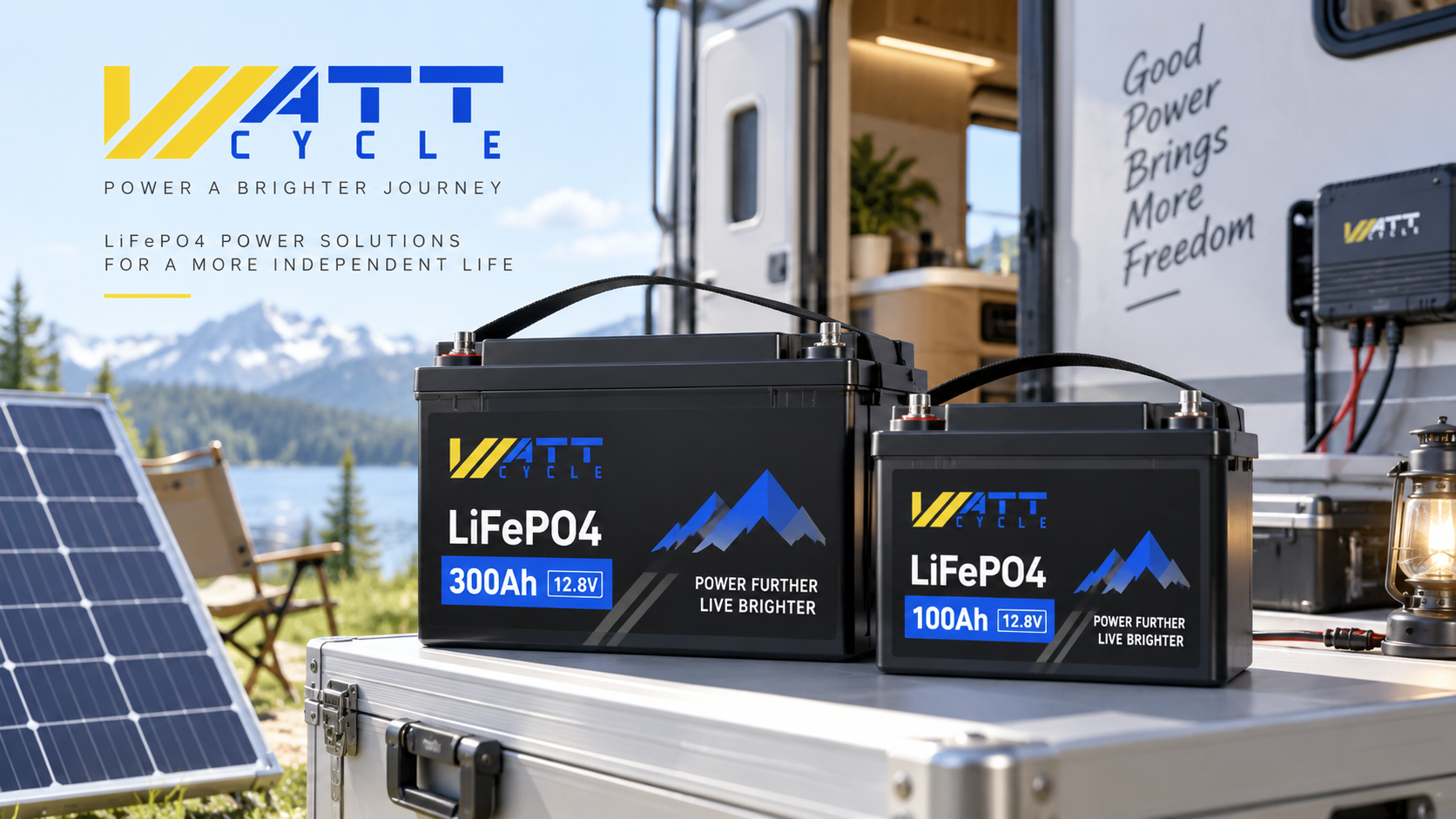
WattCycle’s name can sound like a bicycle brand, but its official U.S. storefront tells a different story. The catalog is centered on LiFePO4 batteries, charging equipment and energy-storage systems. That distinction matters: the useful question is not which e-bike to ride, but which electrical setup a particular battery can safely serve. This is a research-based brand review of WattCycle’s published information, not a test of battery performance.
What Is WattCycle?
WattCycle describes its mission in terms of accessible, independent power. Its About page emphasizes LiFePO4 energy storage for travel and off-grid use. The U.S. FAQ identifies its U.S. retail site as official, and that storefront presents the brand through batteries and related power equipment.
What Does WattCycle Offer?
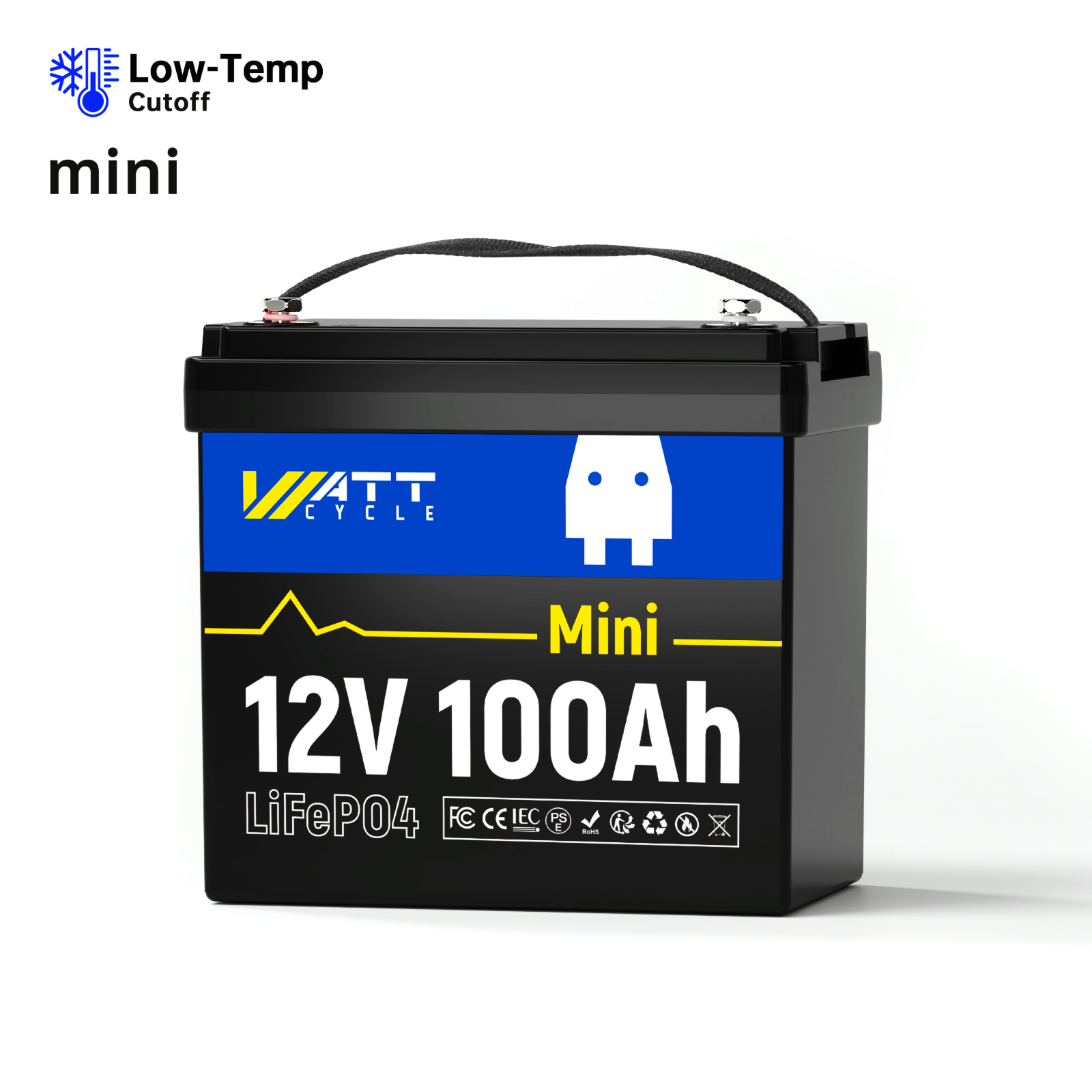
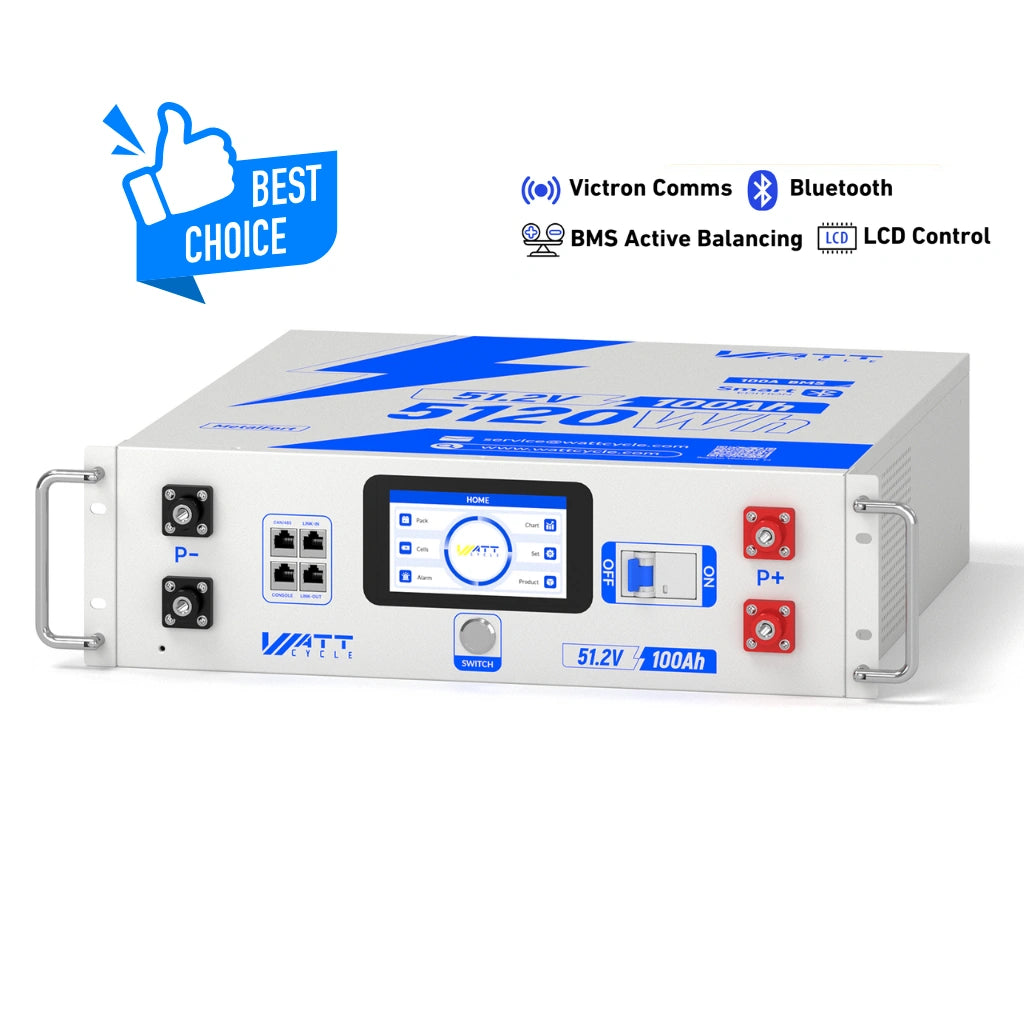
The storefront organizes its battery range by voltage—12V, 24V, 36V and 48V—and by applications such as RVs, marine use, trolling motors and home storage. Its collections also include chargers, cables, battery accessories and inverter or backup-power equipment. These categories show breadth, but they do not make every battery interchangeable: a 12V compact unit, a higher-voltage rack battery and a starting-designated model have different jobs. The catalog should be used to shortlist exact listings, not to assume shared specifications.
What Stands Out About WattCycle?
WattCycle has built an application-led catalog rather than a single hero product. A buyer can begin with a use case, then inspect the relevant voltage, capacity and form factor. The official FAQ goes beyond marketing language by asking shoppers to compare the connected device’s voltage, physical space, charging and discharging requirements. The brand also publishes a U.S. warranty policy with product-category coverage and exclusions. Those resources make the comparison more concrete, although a published specification remains a claim about an exact model—not proof of runtime or reliability in a particular installation.
Choosing the Right WattCycle Battery
Start with the electrical match
Identify the system voltage and the equipment’s expected load before choosing a battery. Then check capacity, continuous and peak current, BMS limits and the charger recommended for that exact model. WattCycle’s FAQ warns that a voltage mismatch can damage equipment, and it directs buyers to the product manual for compatibility. A battery with a suitable voltage can still be the wrong choice if its discharge limits, terminals or charging requirements differ.
Match the physical setup
Measure the available space and review the listing’s dimensions, terminals and mounting format. A compact RV battery, a marine or trolling-motor battery and a home-storage rack unit are not simply different sizes of the same purchase. Compare the installation environment and intended application with the exact product documentation. WattCycle’s FAQ also cautions that its energy-storage LiFePO4 batteries are not automatically starting batteries; only a model explicitly designed for starting duty should be considered for that use.
Interpret performance claims carefully
Capacity and cycle-life figures can help compare listings, but they do not guarantee a particular appliance runtime or years of service. Loads, charging setup, temperature and usage pattern matter. This review does not convert published specifications into an unsupported real-world result. Shoppers planning an unfamiliar electrical system should confirm the entire battery–charger–load combination against the official manual or technical support guidance.
Things to Consider Before Buying
First, decide whether you need a single replacement battery or a larger storage system, then read the exact product page and manual. The range covers multiple voltages and applications; buying from a category label alone risks a mismatch. Second, account for the correct charger and installation hardware. A battery is one part of a power setup, and compatible charging and wiring matter to both operation and safety.
Support terms also deserve attention. WattCycle’s U.S. warranty policy distinguishes new batteries from accessories, describes registration for extended coverage and lists exclusions such as improper use or installation. Read the current policy for the chosen product and channel, retain proof of purchase and check how claims are submitted. The existence of a policy is useful; it is not a promise that every issue will qualify.
Pros and Cons
Pros
- The official catalog separates battery families by voltage and application, which helps narrow a complex purchase.
- WattCycle provides compatibility guidance, technical listings and support resources for comparing models.
- The U.S. warranty policy documents category-specific coverage and exclusions before purchase.
Cons
- A broad catalog makes it easy to confuse a use-case label with exact model compatibility.
- Battery, charger and installation requirements demand more checking than a general-purpose accessory purchase.
- Published specifications and warranty terms cannot establish real-world runtime or reliability for a particular installation.
Who Is WattCycle Best For?
WattCycle is relevant to buyers assembling or updating a LiFePO4 energy-storage setup for an RV, boat, trolling motor, off-grid project or home backup system, provided they are ready to check electrical and physical compatibility. Its catalog may be less suitable for a shopper who wants a plug-and-play answer without comparing model details or installation needs. Someone looking for a complete e-bike should look elsewhere: the verified WattCycle U.S. storefront is a battery and power-equipment store, not an e-bike lineup.
Ways to Save
The owner supplied a 5% off coupon and no Deal. No expiration, minimum spend, product restriction or other promotion was supplied here. Confirm how the coupon applies at checkout without assuming additional terms.
Final Verdict
WattCycle is a more relevant brand for shoppers planning a LiFePO4 power system than for anyone shopping for an e-bike. Its U.S. catalog and support material provide a useful starting point, but choosing safely depends on the exact battery, charger and connected load. Treat claimed capabilities as model-specific, verify fit and policy terms, and do not infer field performance from a category page.
FAQ
What is WattCycle?
WattCycle is a brand focused on LiFePO4 batteries and energy-storage equipment. Its official U.S. storefront lists battery families, chargers, accessories and home-storage products; this review found no e-bike lineup there.
What kinds of batteries does WattCycle sell?
The U.S. storefront organizes batteries by voltage, including 12V, 24V, 36V and 48V ranges, and by applications such as RV, marine, trolling motor and home storage. Check the exact listing before assuming a feature applies across a category.
How should I choose a WattCycle battery?
Start with the connected equipment’s required voltage, usable capacity and peak current, then compare physical dimensions, terminals, BMS limits, charging instructions and the intended installation. WattCycle’s FAQ specifically advises checking voltage, capacity, size, charging/discharging rates and manual guidance.
Can every WattCycle battery be used to start an engine?
No. WattCycle’s FAQ says its energy-storage LiFePO4 batteries should not be treated as starting batteries. Check whether the exact product is explicitly designated for a starting application before buying.
Does WattCycle publish warranty and support terms?
Yes. The U.S. warranty policy lists coverage by product category, registration conditions and exclusions, while its FAQ and support pages provide contact paths. Confirm the terms for the exact model and sales channel.
Did this review test a WattCycle battery?
No. This is a research-based brand review; it does not report measured capacity, cycle life, charging speed or field reliability.
Is there an owner-supplied coupon or deal?
The owner supplied a 5% off coupon and no Deal. No additional coupon conditions were supplied. This review does not add an expiration, eligibility rule or other promotion.
Explore WattCycle’s official U.S. catalog and compare exact battery specifications, compatibility and warranty terms before buying.